
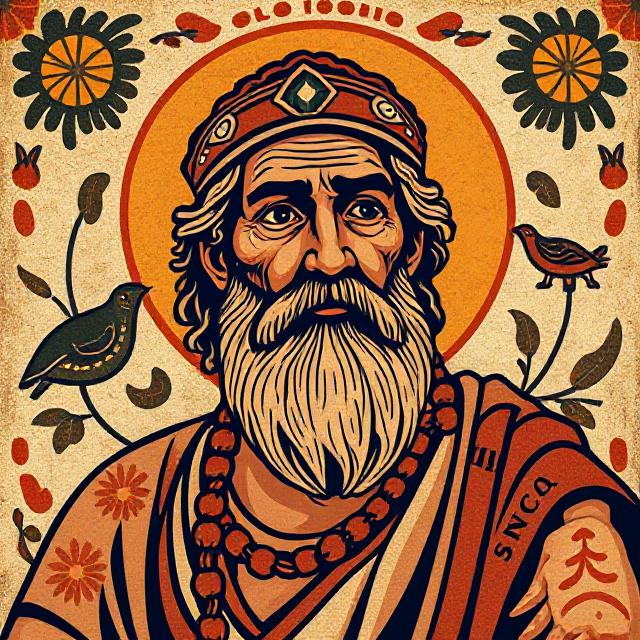
In an age where marketing trends change by the minute, many brands chase short-term relevance instead of long-term significance. Yet, Roman philosopher Seneca warned against the dangers of fleeting pursuits, urging individuals to focus on what truly lasts. His wisdom offers a blueprint for brands that want to transcend trends and build enduring value.
The Trap of the Trend Cycle
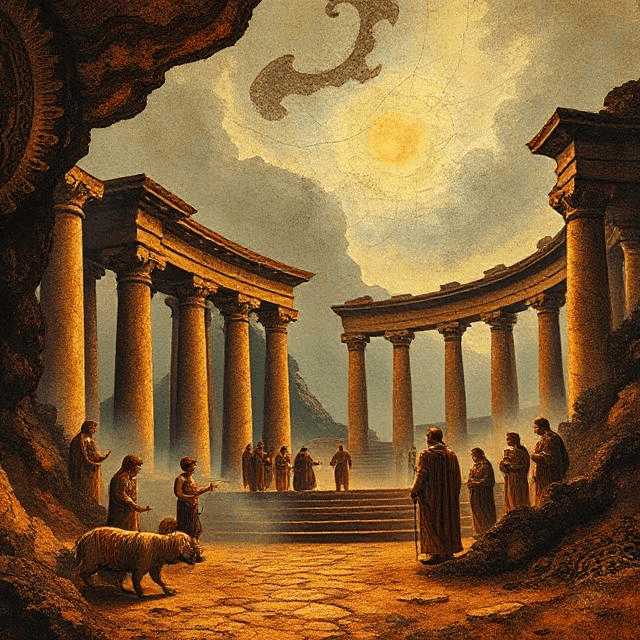
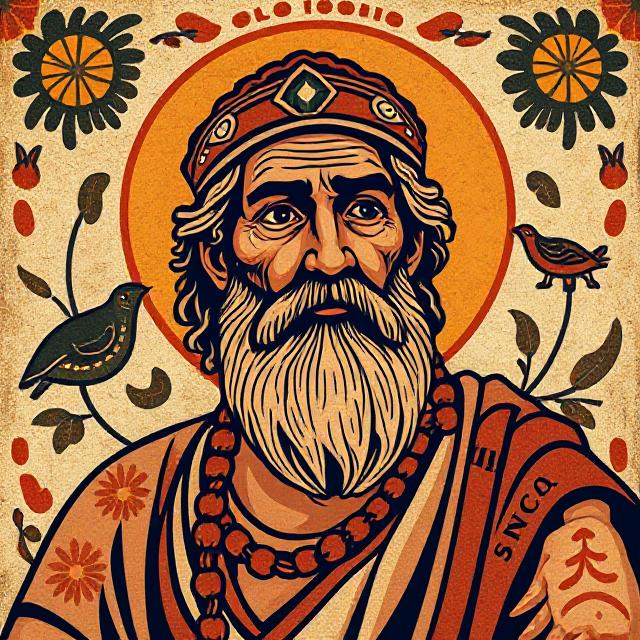
Seneca wrote, “It is not that we have a short time to live, but that we waste a lot of it.” This insight applies to branding: many companies invest enormous resources into short-lived trends, only to find themselves outdated as soon as the next wave arrives. Viral marketing, meme culture, and fleeting aesthetic fads may create momentary buzz, but they rarely build lasting customer loyalty. Instead, brands should ask: “Are we chasing the moment or creating something meaningful?”
Focus on Core Values Over Novelty
Seneca believed that a good life was one rooted in virtue and wisdom, not in external distractions. Similarly, great brands are those that anchor themselves in strong, consistent values rather than shifting strategies based on market fluctuations. Apple, for instance, has maintained its commitment to simplicity and innovation for decades, resisting the urge to dilute its identity with every new tech trend.
Quality Over Quantity: SenecaN Approach to Branding
Seneca advised against overconsumption and distraction, emphasizing depth over superficial accumulation. Brands that prioritize quality over quantity—whether in product design, storytelling, or customer engagement—tend to stand the test of time. Luxury brands like Rolex and Hermès, for example, have maintained prestige not by chasing mass appeal but by remaining committed to craftsmanship and exclusivity.
Patience and Longevity in Brand Growth
One of Seneca’s most powerful lessons is his emphasis on patience. He stated, “No great thing is created suddenly, any more than a bunch of grapes or a fig.” Many brands seek immediate success through aggressive marketing, but sustainable growth requires a long-term mindset. Patagonia, for example, has focused on environmental responsibility for decades, and this slow, deliberate approach has cemented its reputation as a purpose-driven brand.
How to Apply Seneca’s Wisdom to Branding
- Define Core Principles: Identify the brand’s foundational values and ensure all decisions align with them.
- Resist Short-Term Thinking: Instead of following every market trend, focus on what will still be relevant in 10+ years.
- Prioritize Depth Over Hype: Invest in meaningful engagement with customers rather than viral gimmicks.
- Embrace Resilience: Like Seneca’s Stoic philosophy, a brand must withstand challenges and adapt without losing its essence.
Conclusion:
Seneca’s philosophy teaches us that lasting impact comes from consistency, quality, and staying true to core values. Brands that heed his wisdom can create legacies—not just marketing campaigns. Instead of asking, “What’s trending today?” they should ask, “What will still matter 10 years from now?”

 Philosophical Branding Insight
Leave a comment